SaaS/Software

SaaS success demands a website that’s built for speed, conversion, and adaptability. We create scalable Webflow sites for SaaS platforms, B2B tools, and AI products that align design with revenue-driving outcomes.
Our Unique Approach
We speak SaaS fluently, from growth loops to freemium onboarding. Our Webflow builds are engineered to empower marketing and product teams to launch pages fast, test messaging, and support SEO and content performance with minimal friction.
What We Deliver
- Modular design systems — Easily launch new landing pages as campaigns evolve
- Blog + resource hubs — SEO-optimized content libraries with author tagging and CTAs
- Conversion UX — Strategic use of social proof, CTAs, demo flows, and trial offers
- Performance monitoring — Analytics-ready builds, integrated with GA4 and Hotjar
Related projects
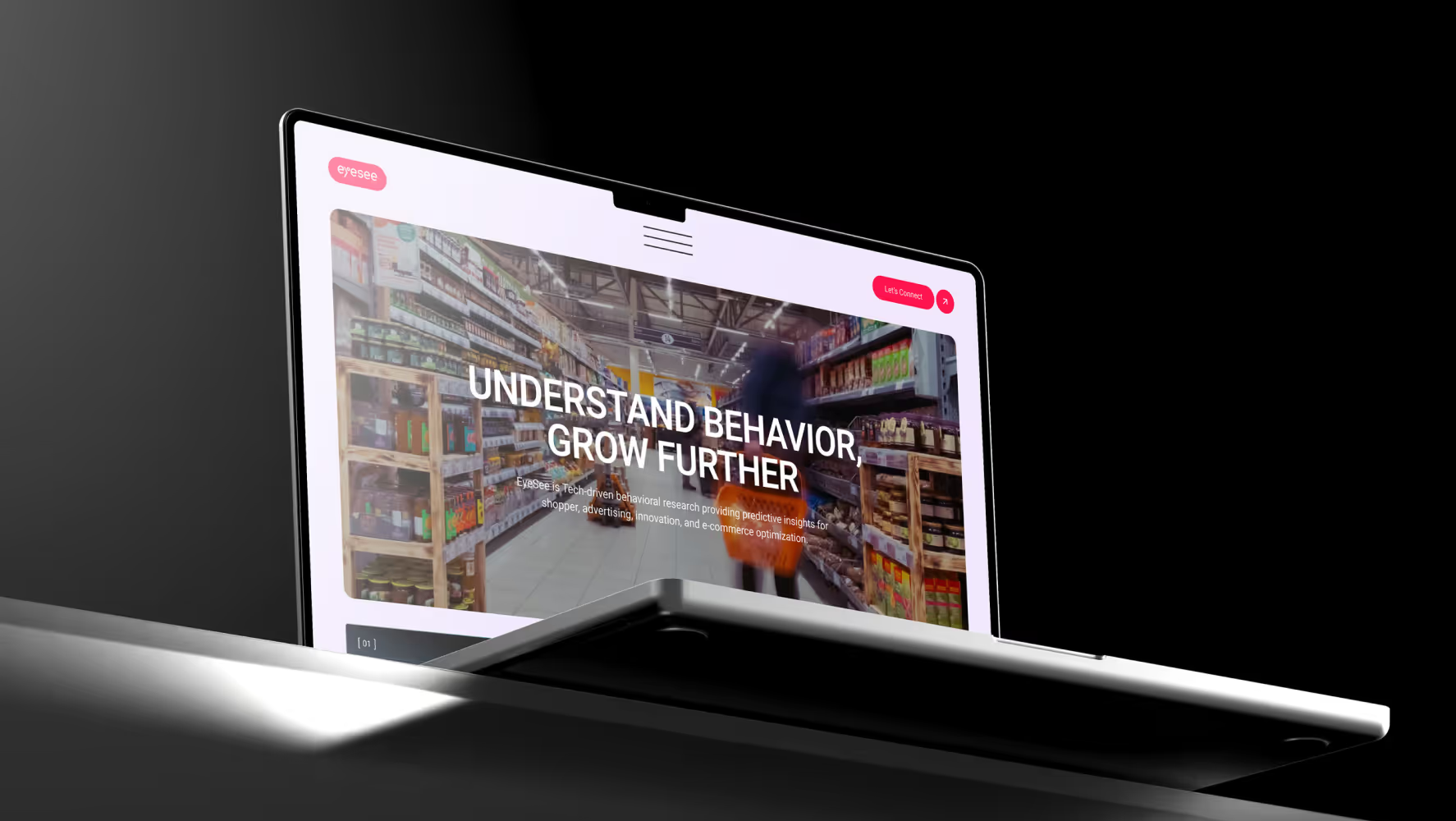
EyeSee
EyeSee Research Webflow website redesign focused on clearer methodology, enterprise UX, and improved conversion paths.
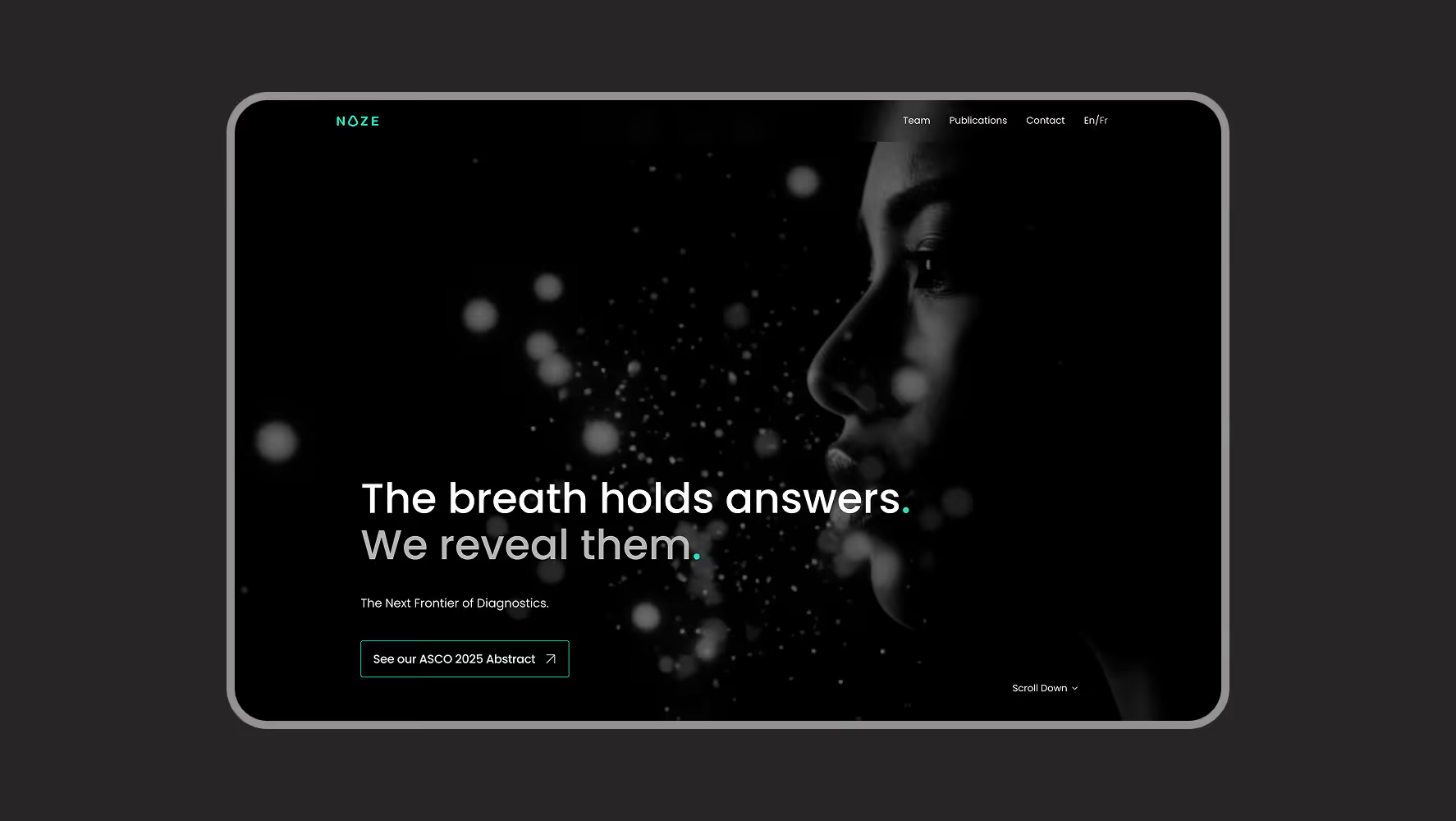
Noze
Noze Webflow website design focused on investor-ready messaging, clear value proposition, and conversion-focused UX.
From redesign to continuous growth, let’s build your performance engine.
Most SaaS sites aren’t structured for AI visibility. We fix how your content..
Industries
How can SaaS companies structure feature documentation for easier customer access?
Clear documentation helps users understand functionality and troubleshoot independently. Many SaaS teams organize guides by product modules, user roles, or common workflows. Broworks often recommends modular content models and consistent taxonomy to ensure updates propagate across help centers, knowledge bases, and landing pages without redundancy or confusion.
What’s the best approach to keep content consistent across multiple product versions?
SaaS products frequently release updates, which can lead to fragmented information. Using a centralized CMS with reusable components, version-controlled assets, and structured fields ensures uniform messaging. Broworks supports teams in creating frameworks that allow marketing and product teams to maintain clarity, even as new features or subscription tiers roll out.
How do SaaS teams present complex workflows to both technical and non-technical users?
Combining high-level summaries with detailed tutorials or interactive demos is key. Visual flowcharts, annotated screenshots, and step-by-step videos make processes accessible without oversimplifying critical details. Broworks often guides teams to implement layered content structures that cater to both decision-makers and end users simultaneously.
How can SaaS companies evaluate whether their content ecosystem supports customer onboarding effectively?
Effective onboarding relies on analyzing user engagement, feature adoption rates, and help center usage. Mapping content to customer journeys reveals gaps and redundancies. Broworks advises using structured content strategies that align tutorials, release notes, and FAQs with usage patterns to shorten time-to-value and reduce support inquiries.
What strategies help SaaS brands scale content for multiple markets or regions?
Internationalization and localization require flexible templates, modular components, and translation-ready assets. A CMS that separates core content from regional variations ensures consistency and reduces manual duplication. Broworks often helps teams implement scalable structures that allow marketing, product, and support teams to manage multiple markets efficiently.
How should SaaS teams maintain and update post-launch content for maximum impact?
Regular audits, performance tracking, and feedback loops are essential. Prioritizing updates based on usage metrics, feature adoption, and support tickets ensures content stays relevant and useful. Broworks recommends establishing review cycles and modular content blocks to simplify maintenance and improve discoverability for both users and AI systems.


.avif)
.avif)
.avif)

.avif)